

What Makes a High-Converting Website in 2026
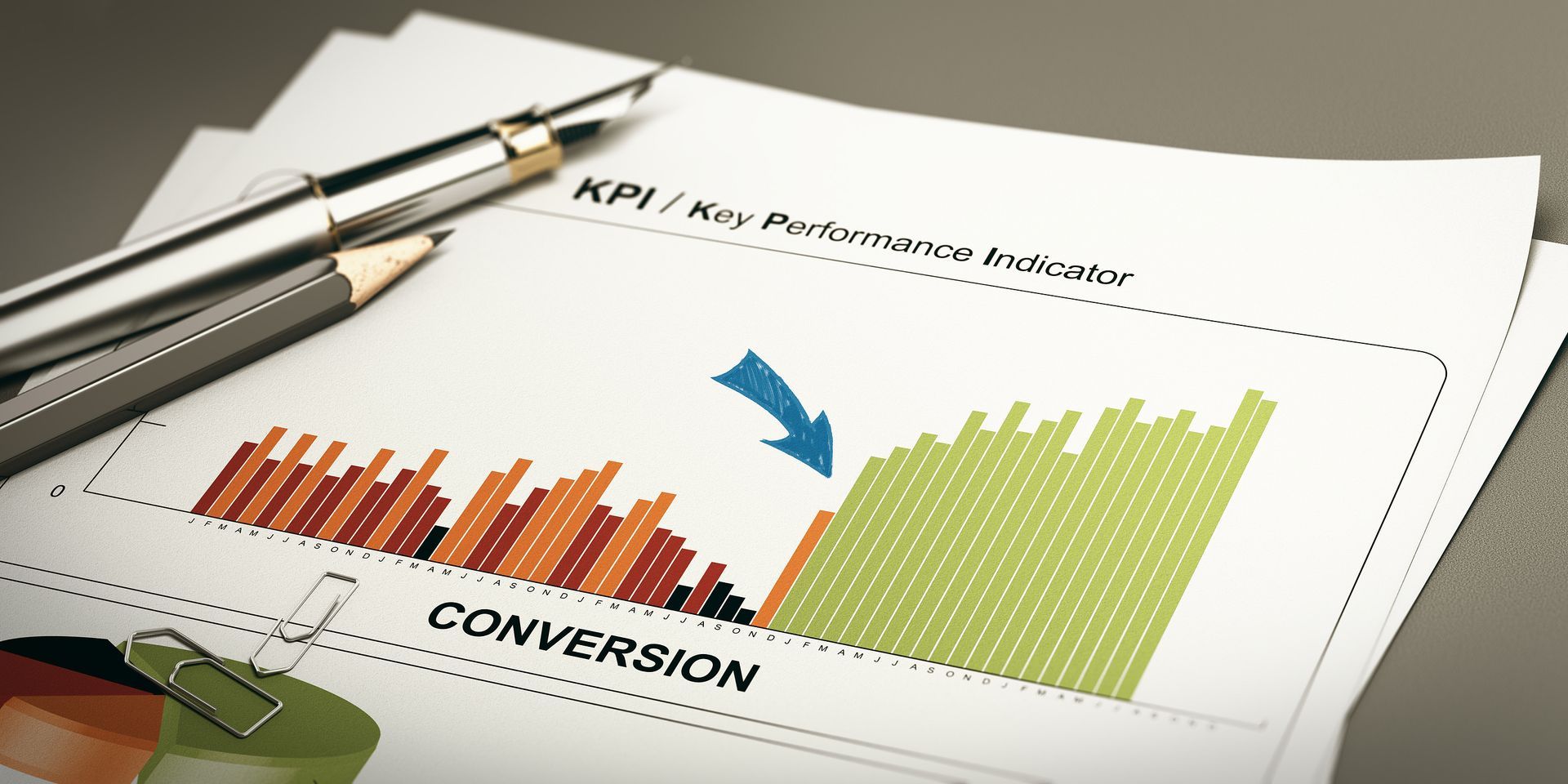
A website is no longer just a digital presence - it’s a business tool.
In 2026, high-converting websites are designed with intention. They balance visual appeal with performance, user experience, and search visibility. For agencies and brands alike, the goal is no longer traffic alone, but conversion, engagement, and measurable results.
Here’s what defines a high-converting website in today’s digital landscape:
User Experience Comes First
Design trends will continue to evolve, but user expectations remain consistent. Visitors expect websites to be easy to navigate, fast to load, and intuitive across all devices.
High-converting websites prioritize:
- Clear site structure
- Simple navigation
- Logical content flow
- Minimal friction between pages
When users can find what they need quickly, they stay longer — and they’re more likely to convert.
Mobile-First Design Is Non-Negotiable
With the majority of website traffic coming from mobile devices, mobile-first design is no longer optional.
Websites built for conversion in 2026:
- Load quickly on mobile
- Use touch-friendly layouts
- Adapt seamlessly across screen sizes
- Maintain performance without sacrificing design
Mobile usability directly impacts bounce rates, engagement, and search rankings.
Performance and Speed Drive Conversions
Speed is one of the most overlooked conversion factors.
Even small delays in load time can significantly reduce conversions. High-performing websites are built with optimized code, compressed assets, and streamlined functionality.
Key performance considerations include:
- Fast page load times
- Optimized images and scripts
- Clean, efficient code
- Reliable hosting environments
A fast website builds trust and keeps users engaged.
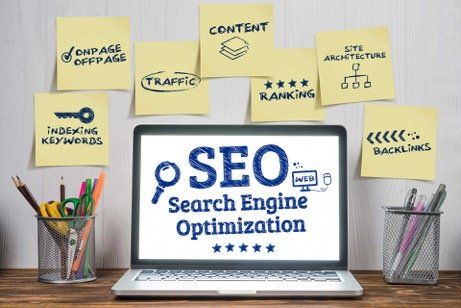
SEO Is Built Into the Design
SEO doesn’t start after launch - it starts during design and development.
High-converting websites are structured to support search visibility from day one. This includes:
- Search-friendly site architecture
- Proper heading structure
- Clean URLs
- Optimized page speed
- Mobile responsiveness
When
SEO is integrated into the build, websites are positioned for long-term growth rather than short-term fixes.
Clear Messaging and Strong CTAs
Design alone doesn’t convert — messaging does. Successful websites clearly communicate:
- What the business offers
- Who it’s for
- Why it matters
- What action users should take next
Strong calls to action guide visitors through the journey, whether that’s booking a consultation, requesting a quote, or making a purchase. Clarity builds confidence, and confidence drives conversions.
Trust Signals Matter More Than Ever
Users are increasingly cautious online. High-converting websites establish credibility quickly through:
- Consistent branding
- Client testimonials
- Case studies
- Security indicators
- Professional design standards
Trust signals reduce hesitation and encourage users to take the next step.
Conversion Tracking and Optimization
A high-converting website is never truly finished.
Ongoing optimization through analytics and user behavior tracking allows businesses and agencies to:
- Identify drop-off points
- Improve page performance
- Refine messaging
- Increase conversion rates over time
Websites that evolve perform better than those left untouched.
Building Websites That Convert
In 2026, the most successful websites are built at the intersection of design, performance, and strategy. They don’t just look good - they work.
Design Wizards partners with agencies to build high-converting websites that are user-focused, SEO-ready, and designed to deliver measurable results. Our approach ensures every website supports growth, engagement, and long-term success.
If your clients expect websites that do more than exist, the foundation matters.
Learn how Design Wizards helps agencies deliver websites built to convert.
What is a high-converting website?
A high-converting website is designed to guide visitors toward a specific action, such as booking a consultation, filling out a form, or making a purchase, using UX, messaging, and performance best practices.
Why is mobile-first design important for conversions?
Mobile-first design ensures websites perform well on smartphones and tablets, reducing bounce rates and improving engagement where most users browse today.
How does SEO impact website conversions?
SEO-friendly website design improves visibility in search results and brings qualified traffic, increasing the likelihood of meaningful conversions over time.
What role does website speed play in conversions?
Faster websites improve user experience, reduce abandonment, and build trust, directly contributing to higher conversion rates.
How often should a website be optimized for conversions?
Conversion optimization should be ongoing, using analytics and user behavior data to continuously refine performance and results.


★★★★★
Great to work with! Awesome experience! Highly recommended!
— Meri T
★★★★★
Knowledgeable, professional management and staff!
— Ben Ehrmantraut
★★★★★
The team at design wizards takes care of my website needs with ease. Very friendly and professional staff
— Mitch Lennick